How to Choose the Right ATV Ride in Dubai for Your Plans
Picking an atv ride dubai option is less about chasing the biggest engine and more about matching the ride to your comfort, time and expectations. The desert can feel very different from one outing to the next, so a clear choice before you book makes the day smoother. Start with the rider, then the route, then the practical details.
Start with who will be riding
Write down the riders first. A single rider may want a short burst of speed and open space, while a couple or a family may prefer a calm pace with frequent stops. Age, height, confidence and past off-road experience all matter. An all-terrain vehicle can feel manageable on flat ground, then much more demanding on loose sand or a sloped dune.
Check whether each rider expects to drive their own ATV quad bike or share one. Sharing changes the experience, because one person may spend more time as a passenger than expected. If there are children in the group, look for clear rider rules and ask what kind of supervision applies. Avoid guessing about fitness or confidence. It is better to choose a gentler option and enjoy it than to commit to a demanding route and feel out of depth.
Decide what kind of experience you want
Think about the feeling you are after. Some riders want a desert trail with steady driving, photo stops and a relaxed rhythm. Others want a sand dune track with sharper turns and more physical control. These are not the same day out. A route with dunes asks more from your balance, grip and attention, while flatter terrain leaves more room to take in the scenery.
Set a realistic pace before comparing options. A guided tour usually suits first timers because the route is organised and the group moves with direction. A more independent rider may prefer a format with fewer stops and a stronger focus on driving. The right choice depends on how much structure feels useful. If you are new to off-road driving, structure is not a limitation. It helps you settle into the vehicle and understand the terrain.

Useful points to compare at this stage include:
- Whether the ride follows open desert, marked paths or a mix of both.
- How much of the route involves dunes, gravel and softer sand.
- Whether stops are built around photos, rest or instruction.
- How busy the group is likely to feel, especially for newer riders.
Match the vehicle to the rider, not the other way around
Bigger is not automatically better. A powerful all-terrain vehicle can be exciting in the right hands, but it also reacts faster to weight shifts and rough ground. A smaller machine may feel easier to control for a shorter rider or someone who has not driven off road before. Ask about seat height, reach to the handlebars and how the throttle feels during a simple walkaround.
Helmet safety should be part of the decision, not an afterthought. A properly fitted helmet should sit level, feel snug without pressure points and stay in place when you gently move your head. Check that straps can be adjusted cleanly and that nothing feels damaged. Other protective items, such as gloves and eye protection, can make a long ride more comfortable in sand and sun.
Clothing also affects the choice. Loose scarves, dangling straps and open footwear can become distracting around a vehicle. Pick items that stay put, cover skin from sunlight and allow easy movement. Bringing the right basics helps you focus on the route rather than on discomfort.
Check the route and the level of guidance
The desert changes with wind, traffic and recent use. A route that looks simple on a map can include soft patches, sudden dips or uneven approaches. For that reason, guidance matters. A good guided tour gives riders clear signals, sensible spacing and a pace that suits the group. Watch for briefings that explain hand signals, stopping distance and what to do if the group separates.
Ask how the route is adjusted when conditions are not ideal. Strong wind, loose sand or low light can change the plan. A responsible approach leaves room to slow down or shorten part of the route instead of pushing through. If a description sounds overly fixed, with no mention of conditions, treat that as a sign to ask more questions.
When comparing details, a page such as atvridedubai.com can be useful for understanding what kind of ride information is presented before a booking decision. Look for clear route descriptions, rider requirements and safety notes. The aim is not to collect promises, but to see whether the basics are explained in plain language.
Read the booking terms with care
Once the ride type feels right, move to the practical terms. Check what is included in the time slot, what happens after arrival and whether there is a defined meeting point. Look for information on minimum numbers, rider eligibility and any rules about who can operate a vehicle. If something is unclear, ask before paying.
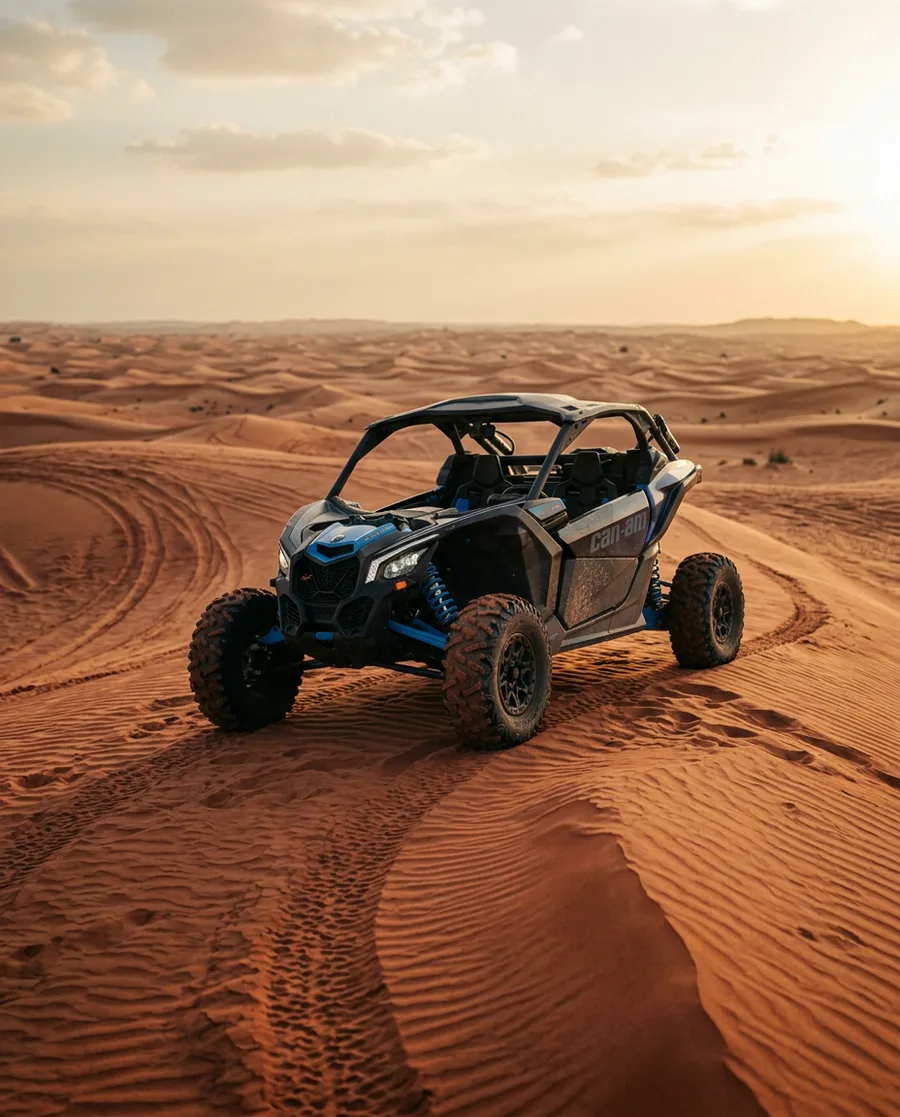
Pay attention to cancellation and change terms. Weather and travel plans can shift, and a flexible term is easier to understand before booking than after plans change. Read how deposits work, what counts as a late arrival and whether rescheduling is possible. Keep written details so there is no confusion later.
Transport is another point that shapes the day. Some riders prefer direct travel, while others want pickup arranged around their stay. Compare the total time involved, not just the driving portion. A short ride with long waiting periods may feel different from a longer outing with a simple schedule. This is also where a calm plan helps. Rushing into a ride after a difficult journey can affect focus.
It is worth checking atvridedubai.com again at this stage if you are comparing wording across sources, since repeated details can reveal what is consistent and what needs clarification. Consistency matters more than polished wording. Clear timing, clear rider rules and clear safety expectations are better signs than vague claims.
Look closely at safety and supervision
Safety is not a single item on a form. It runs through the whole ride, from the briefing to the way turns are handled. Before committing, check that the operator explains basic controls, stopping, signaling and riding distance. Riders should know what to do if they feel unsure, and they should be able to ask for a slower pace without embarrassment.
A sensible format keeps the group spread out and avoids sudden surprises. If the route includes a sand dune track, the pace should allow riders to approach slopes with control and avoid careless turns. If someone struggles, the plan should allow them to slow down or stop in a safe area, away from the line of other vehicles.
Watch for signs that safety is treated as a routine formality. A rushed briefing, poor helmet fit or pressure to keep up are warnings. A professional setup gives enough time for questions and makes expectations clear before engines start. No rider should feel pushed into a maneuver that feels beyond their ability.
Compare value, not just headline features
Two rides can sound similar while feeling very different in practice. One may include a shorter driving segment but better organisation. Another may offer a longer route with a busier group and fewer pauses. Think about what will make the experience enjoyable for everyone in your party. For many riders, a relaxed off-road experience with clear guidance is more satisfying than a packed schedule.
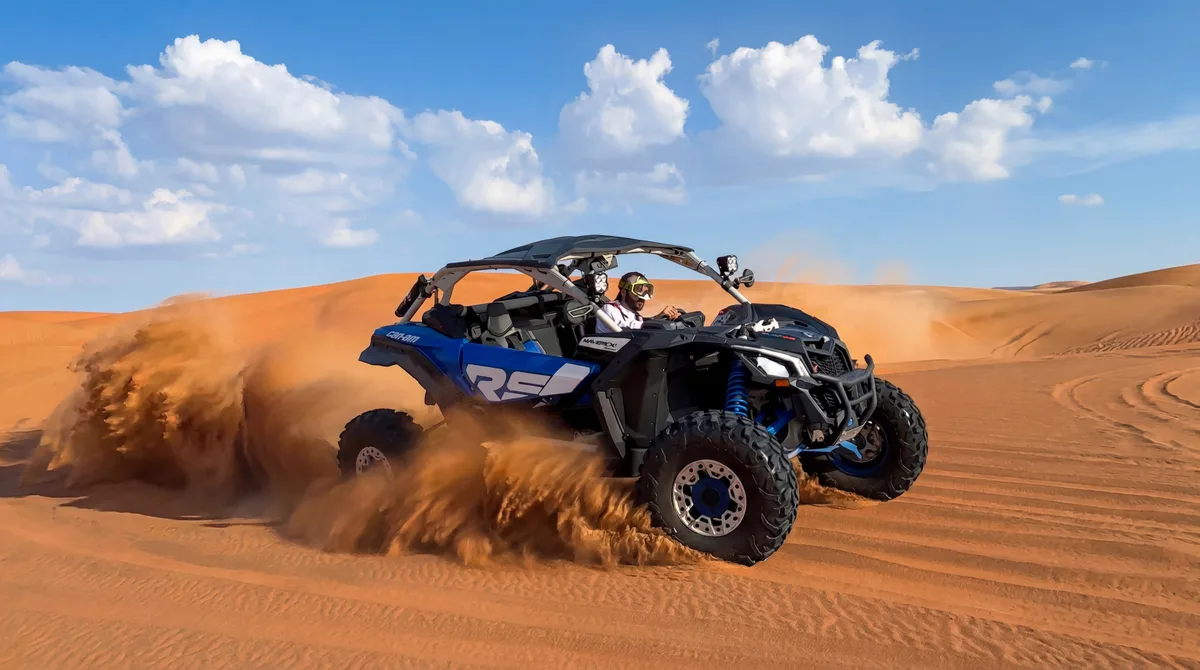
Also consider timing. Morning and later slots can feel different because of heat, light and wind. Riders sensitive to sun should think carefully about midday plans. Hydration, sunscreen and a hat for before or after the ride can help, though a hat should not be worn under a helmet. Small details like these affect comfort and attention.
Make the final choice with a simple test
Before confirming, ask whether the option passes three checks. First, does it suit the least confident rider in the group? Second, is the route and level of guidance clear? Third, are the safety and booking terms easy to understand? If any answer feels uncertain, pause and clarify it.
A good atv ride dubai choice feels proportionate. It gives you enough challenge to feel memorable, enough structure to feel safe and enough clarity to avoid surprises. Once those pieces line up, the rest is mostly preparation: arrive with time to spare, listen during the briefing and choose a pace that lets everyone enjoy the desert rather than merely get through it.
Corrections
Spot something wrong? Send it to the desk and it gets fixed in the open.